
Fuld: Right for the Wrong Reason

In a major decision interpreting Mallory v. Norfolk Southern Railway Co. (2023), the Second Circuit in Fuld v. Palestine Liberation Organization held that personal jurisdiction may not be established by relying on the “deemed consent” provision of the Promoting Security and Justice for Victims of Terrorism Act (“PSJVTA”). A thorough review of the decision can…
Continue ReadingSecond Circuit Rejects Consent-Based Jurisdiction over PLO
Last Friday, the Second Circuit issued much-anticipated decisions in Fuld v. Palestine Liberation Organization and Waldman v. Palestine Liberation Organization, cases brought by U.S. nationals against the Palestine Liberation Organization (“PLO”) and Palestinian Authority (“PA”) for injuries sustained during terrorist attacks in Israel. After the Second Circuit held in an earlier decision in Waldman that…
Continue ReadingForeign Sovereign Immunity and the Time-of-Filing Rule
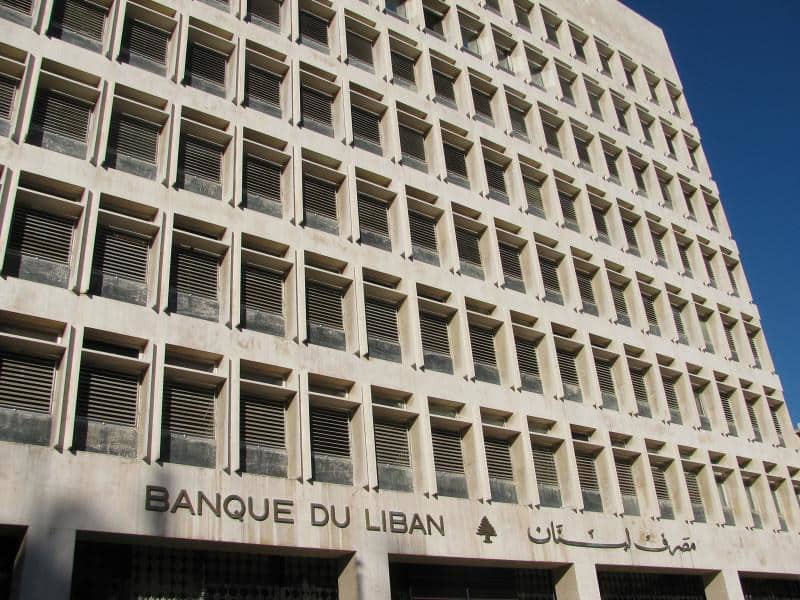
Suppose a defendant goes into liquidation during litigation and becomes an agency or instrumentality of a foreign state through the liquidation process. Is the defendant entitled to sovereign immunity under the Foreign Sovereign Immunities Act of 1976 (FSIA)? The Second Circuit recently said yes. The proper answer is no. Bartlett v. Baasiri The issue arose…
Continue ReadingUsing TLB to Teach Foreign Relations Law
This post discusses Foreign Relations Law as part of our series explaining how professors can use resources on TLB to teach various classes. Previous posts have discussed Transnational Litigation, Civil Procedure, International Business Transactions, and Conflict of Laws. Although TLB focuses on litigation, and Foreign Relations Law classes cover many topics that are rarely litigated, there is significant…
Continue ReadingSupreme Court Roundup (October Term 2022)
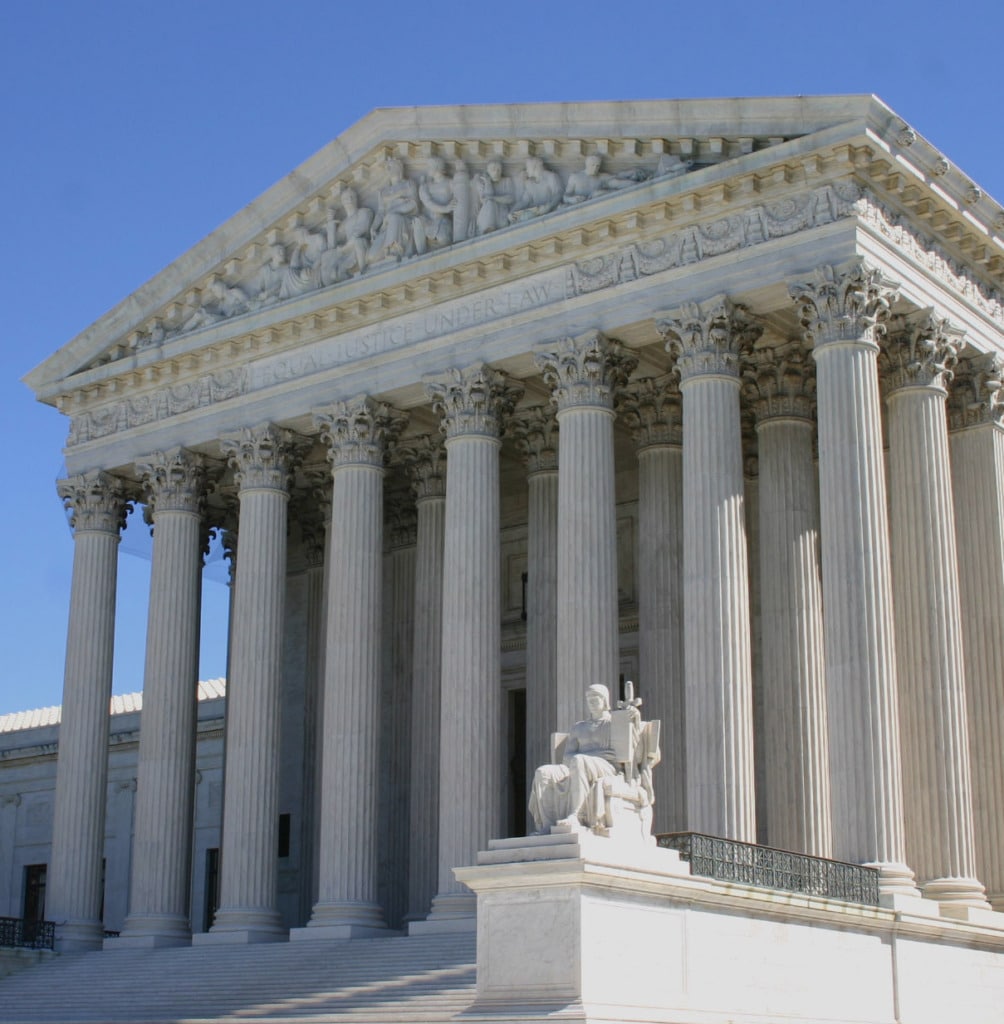
During its 2022 Term, which ended four weeks ago, the Supreme Court decided five cases with important implications for transnational litigation. The questions included whether the Foreign Sovereign Immunities Act (FSIA) applies to criminal proceedings; the standard for aiding and abetting under the Anti-Terrorism Act (ATA); whether states may exercise general personal jurisdiction over foreign…
Continue ReadingCivil Liability for Internet Companies to Help Prevent International Terrorism

On May 18, the Supreme Court issued its much-anticipated decisions in Twitter v. Taamneh and Gonzales v. Google. Both cases involved terrorist attacks by members of ISIS. In both cases, plaintiffs alleged that social media companies helped ISIS recruit new members by amplifying ISIS content and promoting that content to social media users. In both…
Continue ReadingHalkbank On Remand: Immunity and Extraterritoriality – Judicial Deference or Customary International Law?

The Supreme Court surprised some by ruling unanimously in Turkiye Halk Bankasi A.S. v. United States that the Foreign Sovereign Immunities Act (FSIA) does not protect Halkbank from criminal prosecution in U.S. courts. Seven Justices concluded that the FSIA applies solely to civil actions but remanded the case – without guidance – for the Second…
Continue ReadingSupreme Court Finds Tech Companies Not Liable for Terrorism

Last week, the Supreme Court decided two cases in which plaintiffs alleged that social media companies aided and abetted international terrorism. In the first case, Twitter, Inc. v. Taamneh, the Justices unanimous interpreted the Antiterrorism Act’s (ATA) provision on aiding and abetting to require conscious and culpable participation. Plaintiffs’ allegations that ISIS used defendants’ social…
Continue ReadingWhy the Indictment Against Halkbank Must Be Dismissed
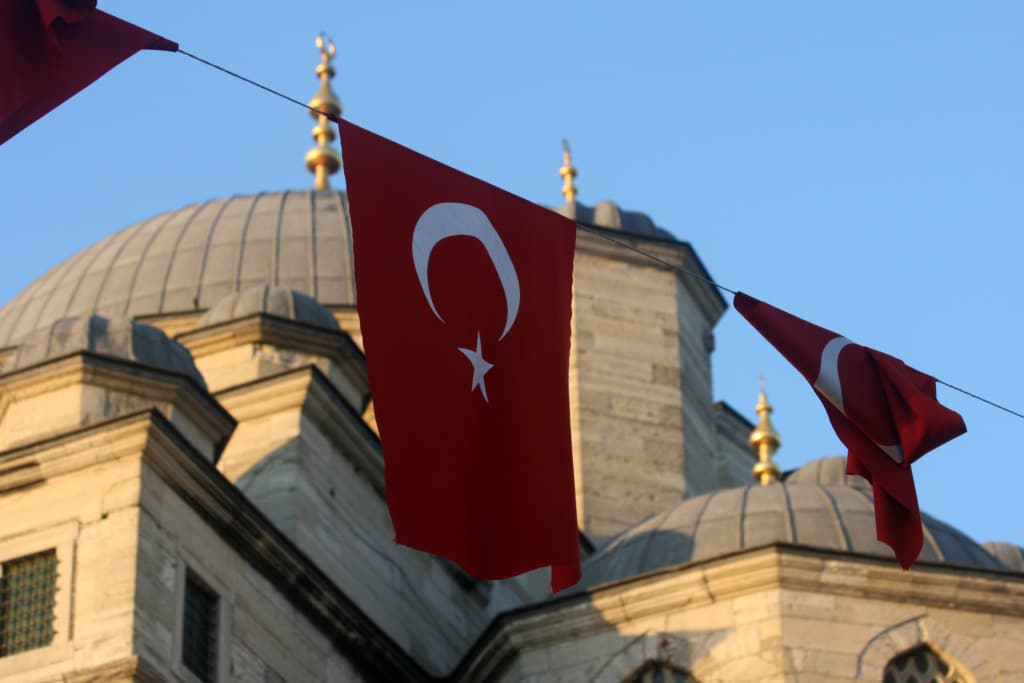
In 2019, the United States indicted Turkiye Halk Bankasi (Halkbank), a Turkish state-owned bank, alleging a multiyear scheme to evade U.S. sanctions against Iran by using fraudulent transactions to transfer the proceeds of oil and gas sales to Iran. Last month, the Supreme Court rejected Halkbank’s claim of immunity under the Foreign Sovereign Immunities Act…
Continue ReadingDear Justice Gorsuch: There’s No Reason to Worry About the Remand in Halkbank
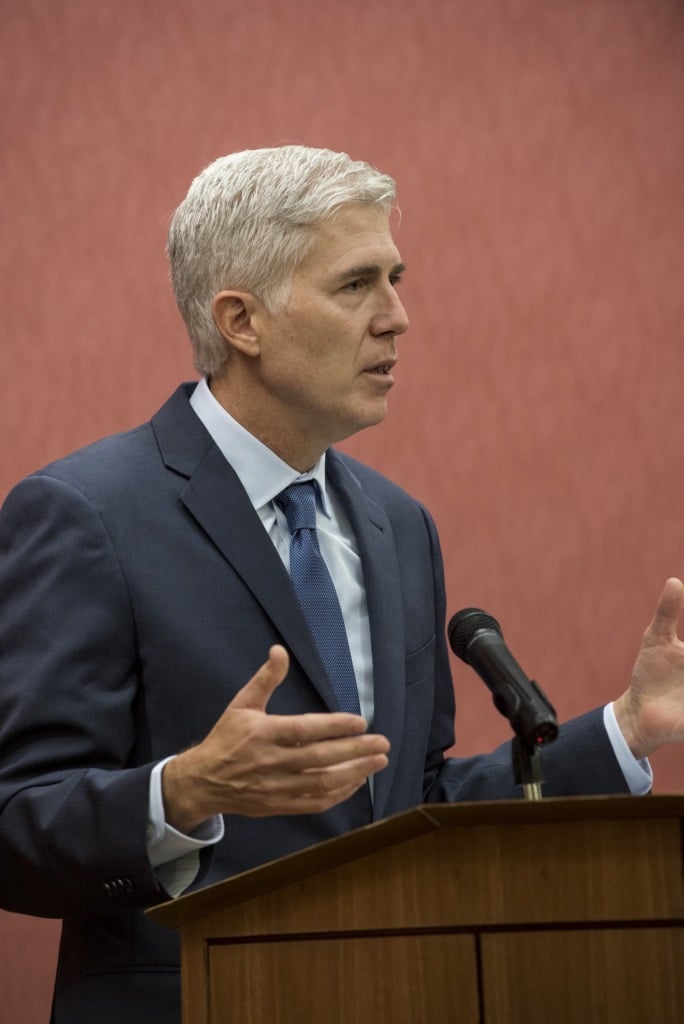
In Turkiye Halk Bankasi A.S. v. United States (Halkbank), the Supreme Court held that the Foreign Sovereign Immunities Act (FSIA) does not apply to criminal proceedings. The Court remanded the case to the Second Circuit to reconsider Halkbank’s claim of common law immunity. Justice Gorsuch, joined by Justice Alito, wrote a partial dissent. He would…
Continue Reading