
Doe v. Meta and the Future of the Communications Decency Act

Two law firms recently filed a class action lawsuit on behalf of Rohingya refugees in the United States seeking at least $150 billion in compensatory damages from Meta (formerly Facebook). The plaintiffs in Doe v. Meta allege that Meta’s algorithms were designed to promote hate speech and misinformation about the Rohingya, a Muslim-minority population in Myanmar…
Continue ReadingHavlish Plaintiffs File a Potentially Misleading Brief Claiming Entitlement to Afghan Central Bank Assets
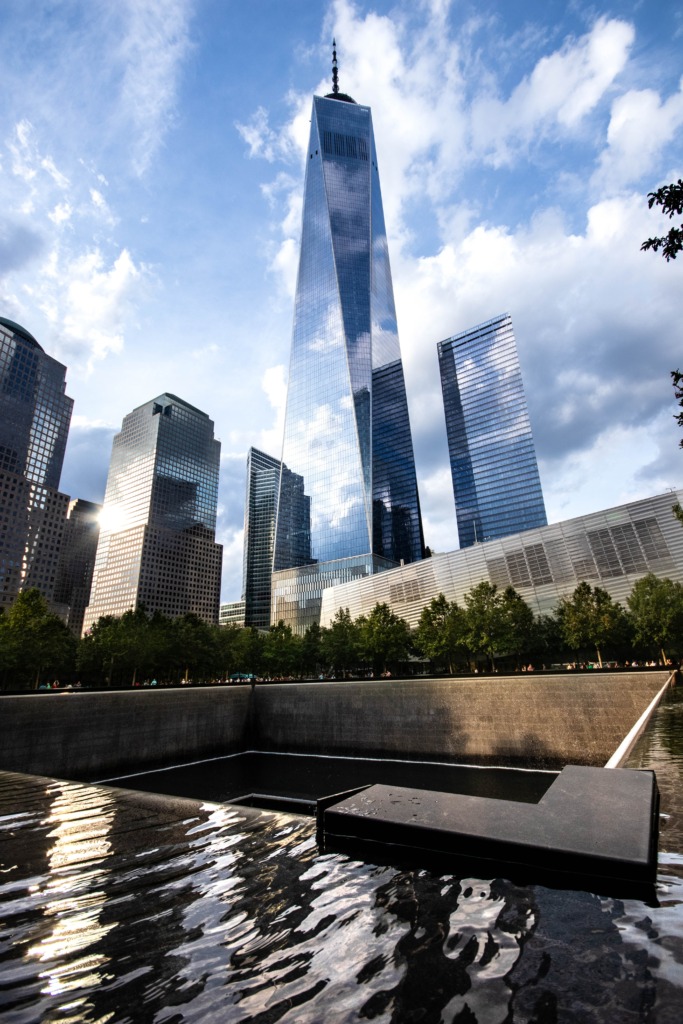
The 2021 return of the Taliban to power in Afghanistan has led to litigation in the United States over the assets of the Afghan Central Bank (“DAB”). As I explained in an earlier post, an executive order by President Biden froze about $7.0 billion in DAB assets held in New York. A license from the…
Continue ReadingNew Article Argues that the Helms-Burton Act Has Backfired
In an article recently posted on SSRN, Gergana Sivrieva surveys cases filed under Title III of the Helms-Burton Act for trafficking in expropriated property. She shows that, surprisingly, the principal defendants have not been foreign companies investing in Cuba but rather U.S. companies with only attenuated connections to such property. Congress passed the Helm-Burton Act…
Continue ReadingAfghan Central Bank Assets Should Be Immune in Cases against the Taliban
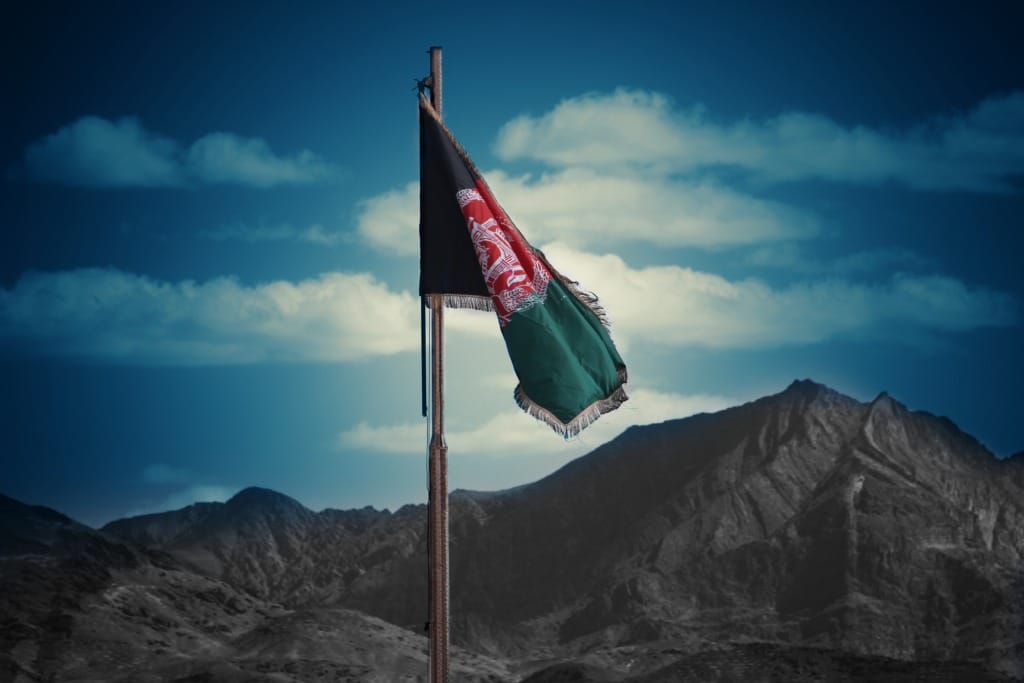
Victims of terrorist attacks who obtained default judgments against the Taliban have requested the turnover of Afghan central bank assets frozen by U.S. sanctions. Because these assets are protected by foreign sovereign immunity and because no exception to immunity is applicable, courts should not order the assets turned over to the judgement-creditor plaintiffs, despite the terrible injuries that they and their families have suffered.
Continue ReadingLitigating a Russian Bond Default
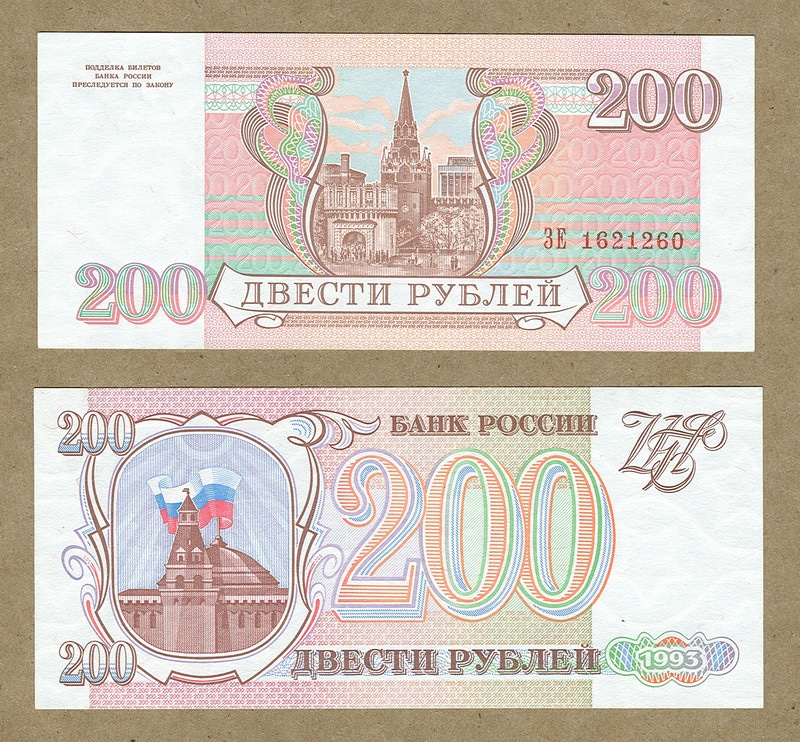
The Russian invasion of Ukraine, and the sanctions imposed in response by the United States and other governments, have fueled expectations of a Russian sovereign debt default. Despite the Russian government’s recent coupon payments on two dollar bonds and apparent desire to avoid default, prices remain in deeply distressed territory. As often happens in such…
Continue ReadingUkraine in U.S. Courts

Though far from its most significant impact, the conflict in the Ukraine has implications for litigation in the United States. Unsurprisingly, the Government of Ukraine has sought to pause ongoing litigation in light of the current hostilities. Such filings could provide insight into how the Government Ukraine seeks to characterize those events.
Continue ReadingS.D.N.Y. Holds Consent-Based Personal Jurisdiction over the PLO Unconstitutional

The Southern District of New York recently held in Fuld v. Palestine Liberation Organization that a federal statute subjecting the Palestine Liberation Organization (“PLO”) to personal jurisdiction violates the Due Process Clause of the Fifth Amendment. The case adds to a growing list of important due process questions in transnational litigation.
Continue Reading- « Previous
- 1
- …
- 7
- 8
- 9