
The Proposed Hague Convention on Parallel Proceedings: A Role for Anti-Suit Injunctions?
Given the difficulties that parallel proceedings create in transnational litigation, there have been repeated attempts to design a multilateral framework to resolve them. A new effort at legal reform is currently underway at the Hague Conference on Private International Law, where a working group has published a draft text of a convention on parallel proceedings…
Continue ReadingSecond Circuit: Revenue Rule Does Not Block Fraud Claims by Danish Tax Authority

Two weeks ago, in Skatteforvaltningen v. Markowitz, the Second Circuit Court of Appeals issued a decision involving one of the less frequently invoked doctrines of transnational litigation: the so-called “revenue rule.” This rule essentially bars courts in one country from enforcing the tax laws of another. As the recent decision indicates, though, it does not…
Continue ReadingUsing TLB to Teach Transnational Litigation (2026 update)
One of TLB’s goals is to compile a set of educational resources for students and teachers. For the past couple of weeks we’ve been publishing updated guides on using TLB to teach different classes (all of which are available at our Teaching Resources page). This post focuses on, well, everything! It describes how teachers of…
Continue ReadingW.D. Texas Asserts the Exclusivity of U.S. Jurisdiction in Patent Cases

Patent disputes often create jurisdictional conflict. A lot of attention recently has been focused on complex and policy-laden litigation involving standard essential patents, but garden-variety infringement claims can lead to challenges too. A federal court in Texas recently issued an anti-suit injunction blocking parallel litigation in China in such a claim. Its order asserted that…
Continue ReadingEletson v. Levona: SDNY Vacates Arbitral Award but Declines to Issue Anti-Enforcement Injunction
An arbitral award that has been vacated by a court at the seat of arbitration can almost never be enforced in other states. But the authority to determine post-vacatur enforceability rests with courts in states where enforcement is sought, not with the vacating court. In a cogent and well-reasoned opinion issued last week, Judge Lewis…
Continue ReadingGreenpeace Anti-SLAPP Suit Blocked by International Antisuit Injunction
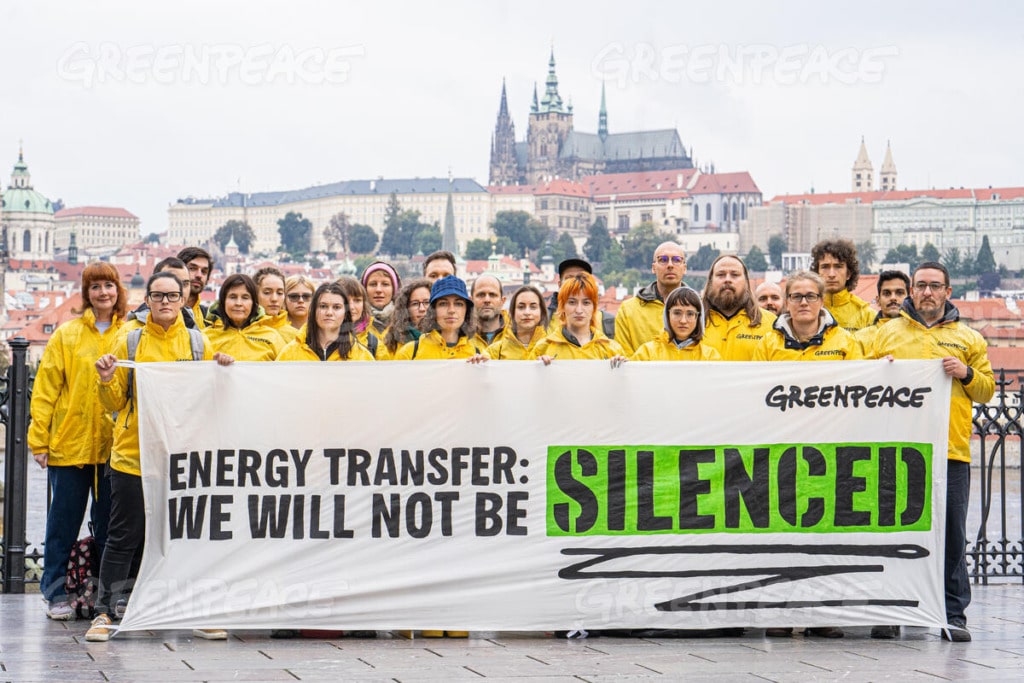
In 2019, Energy Transfer, the developer of the Dakota Access Pipeline, sued Greenpeace International, a Dutch foundation, in North Dakota state court. Last year, Greenpeace responded with an anti-SLAPP (Strategic Litigation Against Public Participation) lawsuit against Energy Transfer in Dutch court. In the latest twist in this lengthy dispute, the North Dakota Supreme Court issued…
Continue ReadingDifferential Targeting of the Forum in Jurisdictional Analysis

The doctrine of “effects” jurisdiction permits a court to exercise personal jurisdiction over a non-resident defendant when the defendant’s activity outside the forum causes harm within it. It is frequently used in e-commerce cases in which a defendant’s website is accessed by consumers nationwide (or indeed globally). One of the elements necessary to establish jurisdiction…
Continue ReadingSDNY Certifies Class in Major Crypto Case

The Southern District of New York recently certified a class action involving allegations of market manipulation in the cryptocurrency sector. Judge Katherine Polk Failla’s certification order addresses one of the key challenges in this type of litigation: the intersection between limits on the extraterritorial application of U.S. regulatory law and the requirements for class certification…
Continue ReadingHappy Birthday to TLB!

On March 28, 2022, Transnational Litigation Blog went live. Our very first post, titled Why Transnational Litigation?, listed the many reasons why we thought the world needed a blog devoted to the topic of transnational litigation. While it is unlikely that this post will ever achieve a status akin to the very first sketch on…
Continue ReadingPersonal Jurisdiction in Federal Antitrust Litigation Post-Fuld: In re Diisocyanates Litigation

Last year, in Fuld v. Palestine Liberation Organization, the Supreme Court held that the due process limits of personal jurisdiction under the Fifth Amendment differ from those under the Fourteenth. As Maggie Gardner has noted, the Court didn’t say much about what those limits might be—meaning that the lower federal courts will now take on…
Continue Reading