
Oral Argument Recap: Suncor v. Boulder
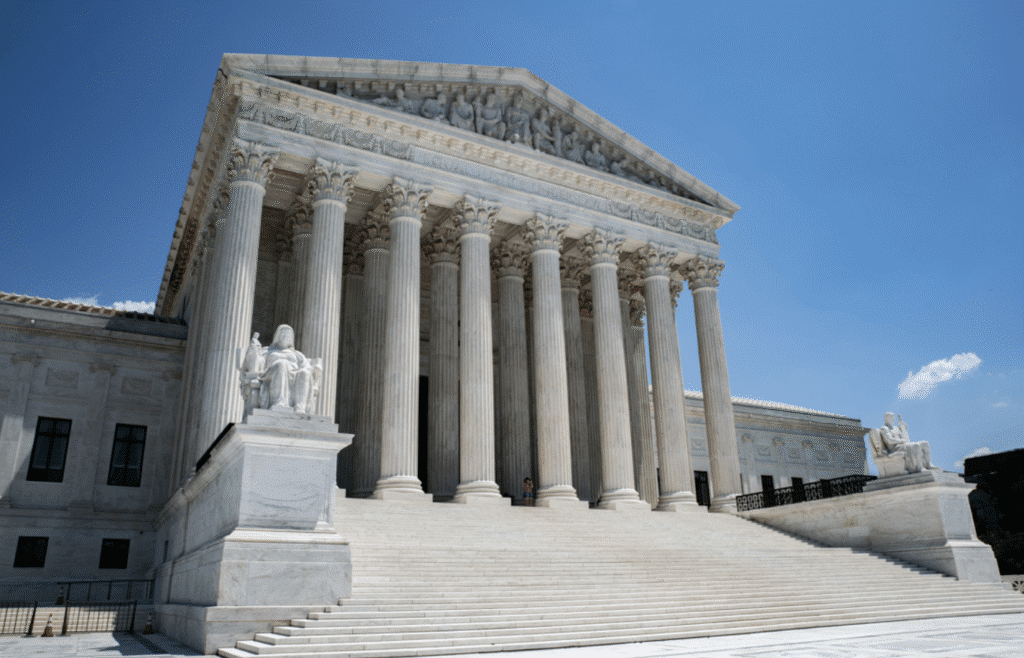
On Monday, the Supreme Court opened its new Term with oral arguments in Suncor v. County Commissioners of Boulder County (for background on the case, check out our preview post). Justice Alito did not participate as he has recused himself. Here are some takeaways as we await the Court’s decision. No One Is Buying the…
Continue ReadingOT26 Opens with Climate Case
When the Supreme Court opens its new Term next Monday, it will hear oral arguments in Suncor Energy Inc. v. County Commissioners of Boulder County, a case in which the city and county of Boulder are attempting to hold oil and gas companies responsible under state tort law for local harms caused by climate change….
Continue ReadingValue Beyond Price: The Vindication Function of Transnational Litigation

Embedded in a recently decided Supreme Court case about Cuba and the Foreign Sovereign Immunities Act—Exxon Mobil v. Cimex—was a debate about the basic purpose of suing foreign government entities. The Supreme Court majority rejected the view that such suits are fruitless unless the plaintiff is likely to be able to collect a monetary judgment…
Continue ReadingStrange Statutory Interpretation in Foreign Relations Law: The October 2025 Term

The back end of the Supreme Court’s October Term 2025 brought us three decisions in statutory cases dealing with foreign relations law. Havana Docks Corp. v. Royal Caribbean Cruises, Ltd. explored the scope of the Helms Burton Act, a sanctions statute targeting Cuba. Exxon Mobil Corp. v. Corporación Cimex, S.A. (Cuba) held that this statute…
Continue ReadingSupreme Court Says Helms-Burton Abrogates Foreign Sovereign Immunity

In Exxon Mobil Corp v. Corporación CIMEX, S.A. (Cuba), the Supreme Court held that the Helms-Burton Act abrogated the sovereign immunity of Cuban agencies and instrumentalities for suits brought under the Act. Plaintiffs may therefore pursue such suits whether or not they can satisfy one of the exceptions to immunity in the Foreign Sovereign Immunities…
Continue ReadingSupreme Court Closes the Door on the Alien Tort Statute

Editor’s Note: This article also appears in Just Security. Earlier this week, June 23, 2026, the U.S. Supreme Court issued its decision in Cisco Systems, Inc. v. Doe. Writing for a six-member majority, Justice Amy Coney Barrett held that federal courts may not hear human rights claims under the Alien Tort Statute (ATS), effectively overruling…
Continue ReadingSupreme Court Decides Cisco and Cimex
Earlier today, the U.S. Supreme Court handed down decisions in two significant transnational litigation cases. In Cisco Systems, Inc. v. Doe, the Court held that federal courts may not recognize any new causes of action under the Alien Tort Statute (ATS), “clos[ing] the door” on human rights litigation under the ATS and effectively overruling Sosa…
Continue ReadingThrowback Thursday: RJR Nabisco v. European Community

Ten years ago, on June 20, 2016, the U.S. Supreme Court handed down its decision in RJR Nabisco, Inc. v. European Community. The Court held that two of RICO’s criminal provisions apply extraterritorially to the same extent as RICO’s predicate offenses, but that RICO’s civil cause of action applies only when there is injury to…
Continue ReadingSupreme Court Permits Claims Against Cruise Lines for Using Cuban Docks

On May 21, 2026, the U.S. Supreme Court held that Havana Docks, a U.S. company, may sue U.S. cruise lines under the Helms-Burton Act for using docks confiscated by the Cuban government in 1960. Title III of the Act allows U.S. nationals with claims to property expropriated by Cuba to sue any person who “traffics…
Continue ReadingThe Oral Argument in Cisco
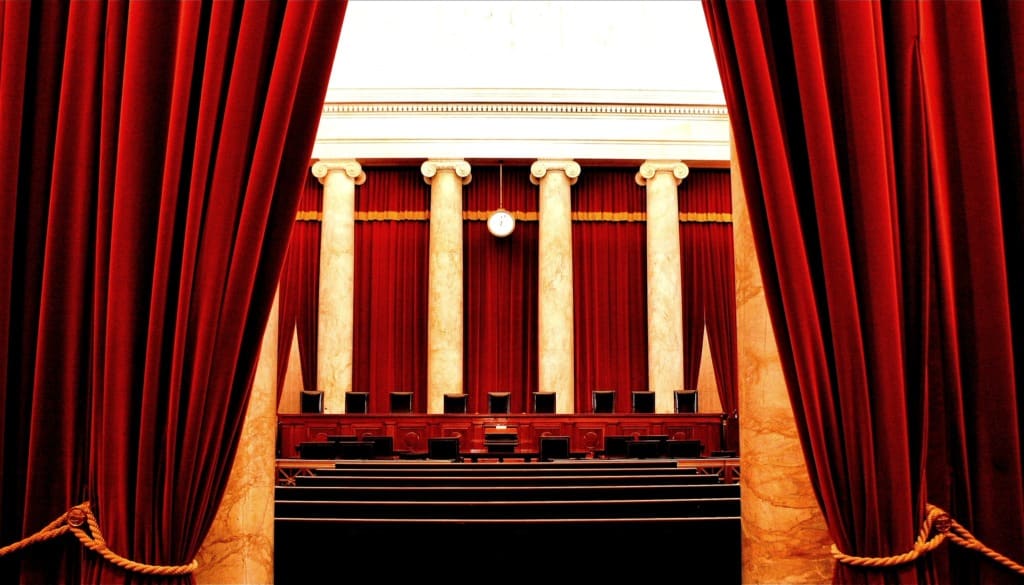
Editor’s Note: This article also appears in Just Security. On Tuesday, the Supreme Court heard oral argument in Cisco Systems, Inc. v. Doe, a case testing whether claims for aiding and abetting human rights violations may be brought in federal court under the Alien Tort Statute (ATS) and the Torture Victim Protection Act (TVPA). The…
Continue Reading