
Supreme Court Closes the Door on the Alien Tort Statute

Editor’s Note: This article also appears in Just Security. Earlier this week, June 23, 2026, the U.S. Supreme Court issued its decision in Cisco Systems, Inc. v. Doe. Writing for a six-member majority, Justice Amy Coney Barrett held that federal courts may not hear human rights claims under the Alien Tort Statute (ATS), effectively overruling…
Continue ReadingThrowback Thursday: Professor William Casto on the Origins of the Alien Tort Statute

In the spring of 1986, Professor William Casto published an article in the Connecticut Law Review entitled The Federal Courts’ Protective Jurisdiction Over Torts Committed in Violation of the Law of Nations. Casto’s article was the first to explore the origins of the Alien Tort Statute (ATS) in detail, and despite the many law reviewpages…
Continue ReadingHas the Alien Tort Statute Made a Difference?

In a globalized and interconnected world, human rights litigation has, by necessity, become transnational. For decades, the Alien Tort Statute (ATS) was viewed as a beacon of American justice for foreign victims of human rights violations. However, a series of Supreme Court decisions—most recently the paired cases of Nestlé USA, Inc. v. Doe and Cargill,…
Continue ReadingNew Bill Would Amend the Alien Tort Statute to Apply Extraterritorially
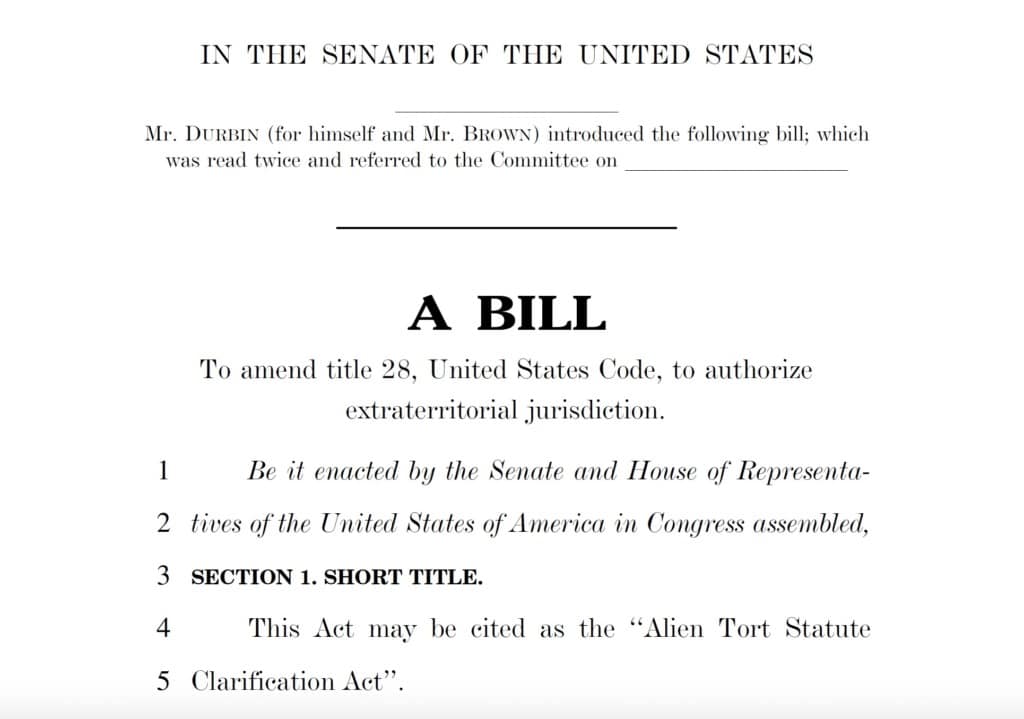
Last week, Senators Dick Durbin and Sherrod Brown introduced a new bill, the Alien Tort Statute Clarification Act (ATSCA), that would amend the Alien Tort Statute (ATS) to apply extraterritorially. Since 1980, plaintiffs have relied on the ATS to bring international human rights claims in federal court against individuals and corporations. But since 2013, the…
Continue ReadingSupreme Court Holds that Trademark Statute Applies Only to Domestic Conduct
Last week, in Abitron Austria GmbH v. Hetronic International, Inc., the Supreme Court held that the federal trademark statute—known as the Lanham Act—applies only to domestic conduct infringing U.S. trademarks. The case involved foreign companies that put U.S.-protected trademarks on products that they made in Europe, most of which were sold to customers abroad, but…
Continue ReadingFallout from Cisco in Human Rights Cases, Part II: Cisco on Remand
It is no surprise that the U.S. Supreme Court’s decision in Cisco Systems Inc. v. Doe (2026), which closed the door on modern human rights claims under the Alien Tort Statute (ATS), is impacting cases in the lower courts. Yesterday, I discussed the impact on Al Shimari v. CACI Premier Technology, Inc., where the Fourth…
Continue ReadingFallout from Cisco in Human Rights Cases, Part I: Al Shimari
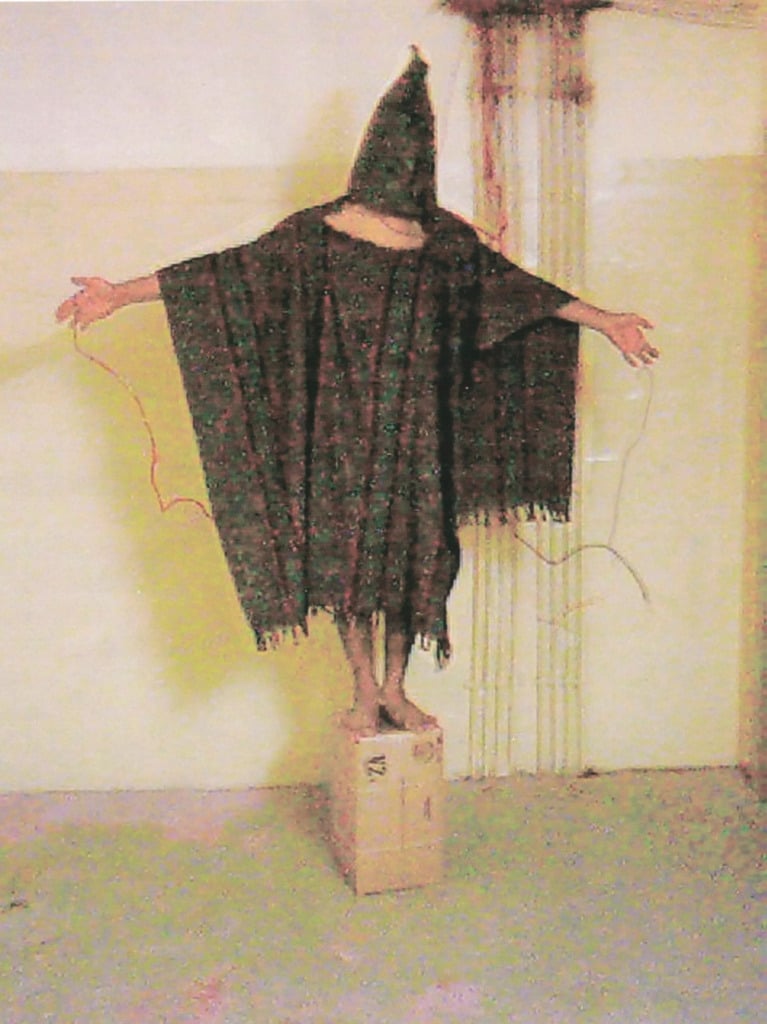
As regular readers know, last June the U.S. Supreme Court closed the door on modern human rights claims under the Alien Tort Statute (ATS), holding in Cisco Systems Inc. v. Doe (2026) that the ATS’s implied cause of action does not cover such claims. In two posts, today and tomorrow, I consider recent lower-court developments…
Continue ReadingUsing TLB to Teach International Business Transactions (2026 Update)
As the fall semester gets underway, we are updating our posts on using resources on TLB to teach various classes. This post discusses International Business Transactions (IBT). Although TLB focuses on litigation and IBT focuses on transactions, there is a great deal of overlap. The most obvious examples are contractual clauses that plan for dispute resolution,…
Continue ReadingFourth Circuit Reaffirms Lack of Official Immunity for Jus Cogens Violations

On July 8, 2026, the Fourth Circuit held in Kuiper v. Reyes Mena that a former colonel in the Salvadoran Army is not immune from suit for the extrajudicial killings of Dutch journalists in 1982 during El Salvador’s civil war. Writing for a unanimous panel, Judge Paul V. Neimeyer reaffirmed the circuit’s holding in Yousuf…
Continue ReadingValue Beyond Price: The Vindication Function of Transnational Litigation

Embedded in a recently decided Supreme Court case about Cuba and the Foreign Sovereign Immunities Act—Exxon Mobil v. Cimex—was a debate about the basic purpose of suing foreign government entities. The Supreme Court majority rejected the view that such suits are fruitless unless the plaintiff is likely to be able to collect a monetary judgment…
Continue Reading