
Fallout from Cisco in Human Rights Cases, Part II: Cisco on Remand
It is no surprise that the U.S. Supreme Court’s decision in Cisco Systems Inc. v. Doe (2026), which closed the door on modern human rights claims under the Alien Tort Statute (ATS), is impacting cases in the lower courts. Yesterday, I discussed the impact on Al Shimari v. CACI Premier Technology, Inc., where the Fourth…
Continue ReadingFallout from Cisco in Human Rights Cases, Part I: Al Shimari
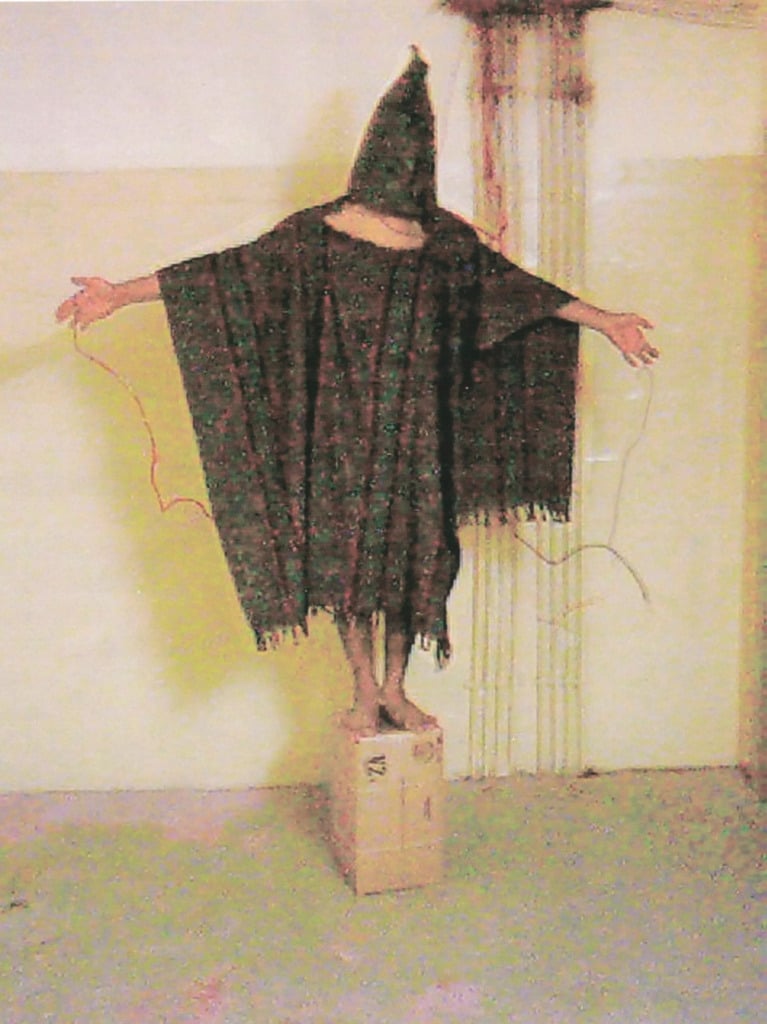
As regular readers know, last June the U.S. Supreme Court closed the door on modern human rights claims under the Alien Tort Statute (ATS), holding in Cisco Systems Inc. v. Doe (2026) that the ATS’s implied cause of action does not cover such claims. In two posts, today and tomorrow, I consider recent lower-court developments…
Continue ReadingFourth Circuit Reaffirms Lack of Official Immunity for Jus Cogens Violations
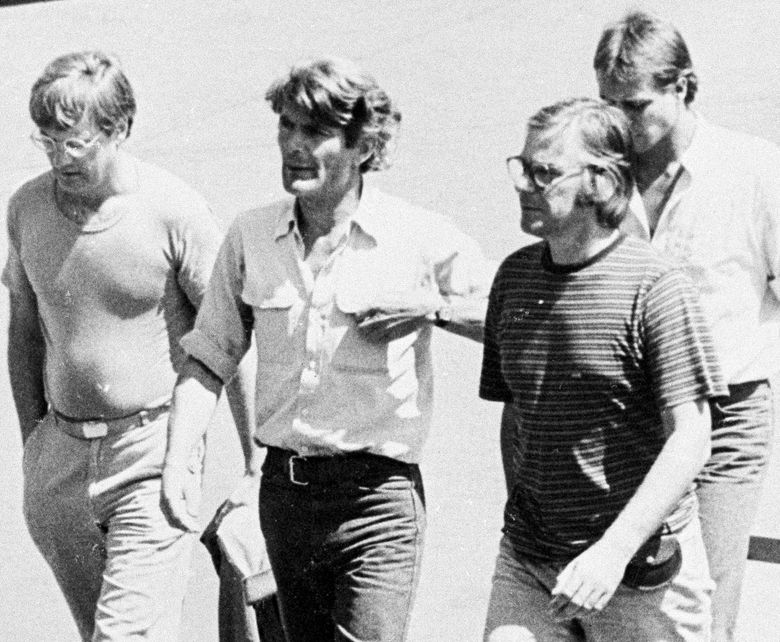
On July 8, 2026, the Fourth Circuit held in Kuiper v. Reyes Mena that a former colonel in the Salvadoran Army is not immune from suit for the extrajudicial killings of Dutch journalists in 1982 during El Salvador’s civil war. Writing for a unanimous panel, Judge Paul V. Neimeyer reaffirmed the circuit’s holding in Yousuf…
Continue ReadingStrange Statutory Interpretation in Foreign Relations Law: The October 2025 Term

The back end of the Supreme Court’s October Term 2025 brought us three decisions in statutory cases dealing with foreign relations law. Havana Docks Corp. v. Royal Caribbean Cruises, Ltd. explored the scope of the Helms Burton Act, a sanctions statute targeting Cuba. Exxon Mobil Corp. v. Corporación Cimex, S.A. (Cuba) held that this statute…
Continue ReadingCIMEX’s Implications for Foreign Official Immunity in TVPA Cases
In Exxon Mobil Corp v. Corporación CIMEX, S.A. (Cuba), the Supreme Court held that Congress, by creating a cause of action against agencies and instrumentalities of foreign states, abrogated the immunity from suit that an instrumentality of Cuba would otherwise have enjoyed under the Foreign Sovereign Immunities Act (FSIA). (For analysis, see here.) The Court relied on…
Continue ReadingSeventh Circuit Upholds Dismissal of TVPRA Claims Against Neil Gaiman on Forum Non Conveniens Grounds

On June 29, 2026, in Pavlovich v. Gaiman, the Seventh Circuit upheld the dismissal of claims against author Neil Gaiman for sex trafficking and forced labor under the Trafficking Victims Protection Reauthorization Act (TVPRA) on grounds of forum non conveniens, concluding that the district court did not abuse its discretion when it held that New…
Continue ReadingSupreme Court Closes the Door on the Alien Tort Statute
Editor’s Note: This article also appears in Just Security. Earlier this week, June 23, 2026, the U.S. Supreme Court issued its decision in Cisco Systems, Inc. v. Doe. Writing for a six-member majority, Justice Amy Coney Barrett held that federal courts may not hear human rights claims under the Alien Tort Statute (ATS), effectively overruling…
Continue ReadingDistrict Court Rejects Constitutional Challenge to TVPA
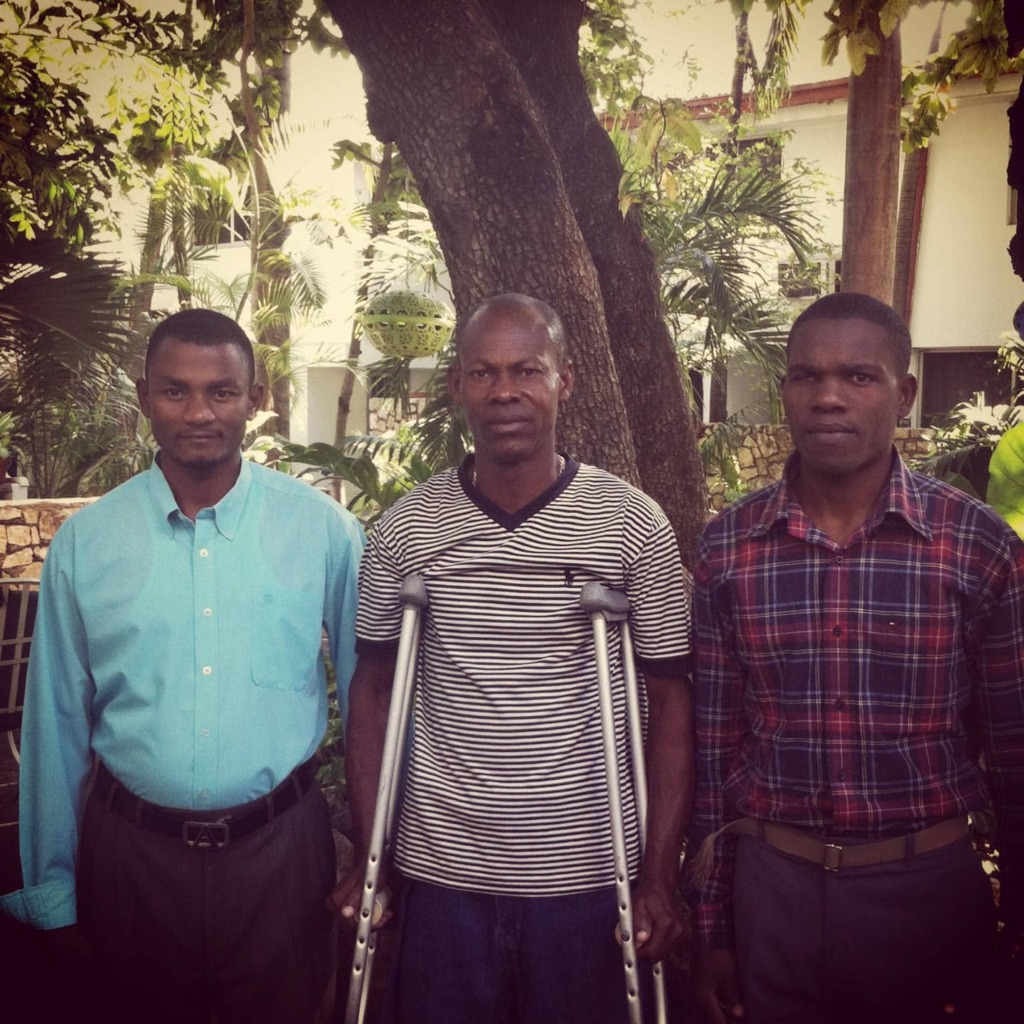
On June 9, 2026, in Boniface v. Viliena, Judge Allison D. Burroughs (District of Massachusetts) rejected a challenge to the constitutionality of the Torture Victim Protection Act (TVPA), holding that the act applies extraterritorially to torture and extrajudicial killing between aliens and that Congress had authority to pass the act under the Offenses Clause of…
Continue ReadingThe Oral Argument in Cisco
Editor’s Note: This article also appears in Just Security. On Tuesday, the Supreme Court heard oral argument in Cisco Systems, Inc. v. Doe, a case testing whether claims for aiding and abetting human rights violations may be brought in federal court under the Alien Tort Statute (ATS) and the Torture Victim Protection Act (TVPA). The…
Continue ReadingSupreme Court Coverage
The Court will hear oral argument today in Cisco Systems v. Doe I et al. to decide whether a U.S. corporation can be held liable under the Alien Tort Statue or the Torture Victim Protection Act for aiding and abetting violations of international human rights law. The argument, which is the only one scheduled today, starts…
Continue Reading