
Victims of Hamas Bring Suit Related to Campus Protests

Victims of the October 7, 2023, attacks by Hamas have sued two U.S. organizations for violating of Anti-Terrorism Act and the Alien Tort Statute. The nine plaintiffs – U.S. and Israeli citizens – allege that defendants serve as a “propaganda machine,” one that intimidates and recruits “impressionable college students to serve as foot soldiers for…
Continue ReadingTransnational Corporate Accountability Through American Corporate Law
To those who view the Alien Tort Statute (ATS) as a beacon of American justice for foreign victims of corporate misconduct, the landscape looks bleak. In the latest ATS case decided in 2021, the Supreme Court held in Nestlé USA, Inc. v. Doe that plaintiffs, who were allegedly trafficked as children to engage in slave…
Continue ReadingD.C. Circuit Defines “Venture” Under the TVPRA

On March 5, 2024, the D.C. Circuit issued its long-awaited opinion in Doe v. Apple, a suit against U.S. tech companies seeking to hold them liable under the Trafficking Victims Protection Reauthorization Act (TVPRA) for forced labor and human trafficking used to mine cobalt in the Democratic Republic of the Congo (DRC). (Disclosure: I joined…
Continue ReadingChoice of Law in the American Courts in 2023
The thirty-seventh annual survey on choice of law in the American courts is now available on SSRN. The survey covers significant cases decided in 2023 on choice of law, party autonomy, extraterritoriality, international human rights, foreign sovereign immunity, adjudicative jurisdiction, and the recognition and enforcement of foreign judgments. So, on this leap day, we thought…
Continue ReadingOral Argument Recap: Reid v. Doe Run Resources Corp.
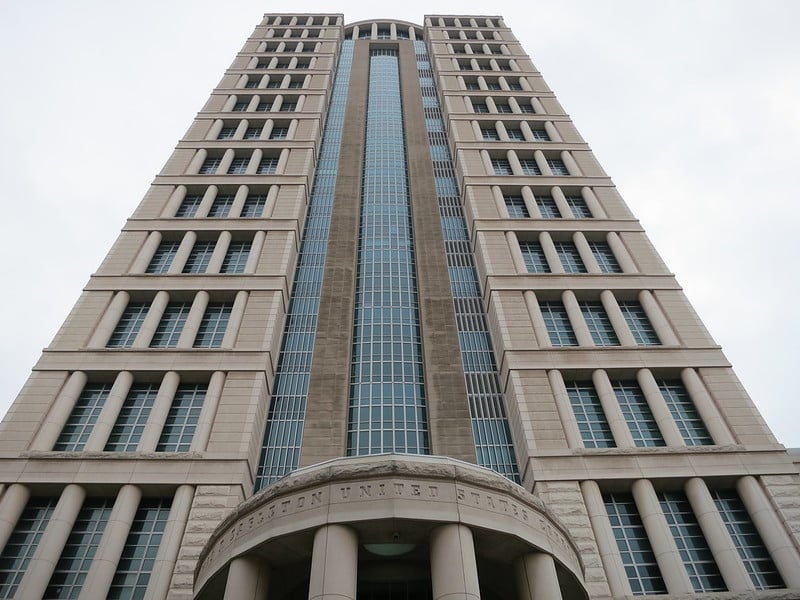
On Tuesday, the Eighth Circuit heard oral argument in Reid v. Doe Run Resources Corp., an ad hoc interlocutory appeal limited to the question of whether the district court should have abstained in that case based on foreign policy concerns. The facts of the case are described in a prior post. This post summarizes Tuesday’s…
Continue ReadingUsing TLB to Teach Foreign Relations Law
This post discusses Foreign Relations Law as part of our series explaining how professors can use resources on TLB to teach various classes. Previous posts have discussed Transnational Litigation, Civil Procedure, International Business Transactions, and Conflict of Laws. Although TLB focuses on litigation, and Foreign Relations Law classes cover many topics that are rarely litigated, there is significant…
Continue ReadingNinth Circuit Allows Human Rights Claims Against Cisco to Proceed

There may yet be life in the Alien Tort Statute (ATS). The Ninth Circuit recently held, in Doe I v. Cisco Systems, Inc., that Chinese practitioners of Falun Gong could go forward with claims of aiding and abetting human rights violations against Cisco Systems, which designed and built a surveillance system for the People’s Republic…
Continue ReadingThrowback Thursday: Kiobel v. Royal Dutch Petroleum Co.
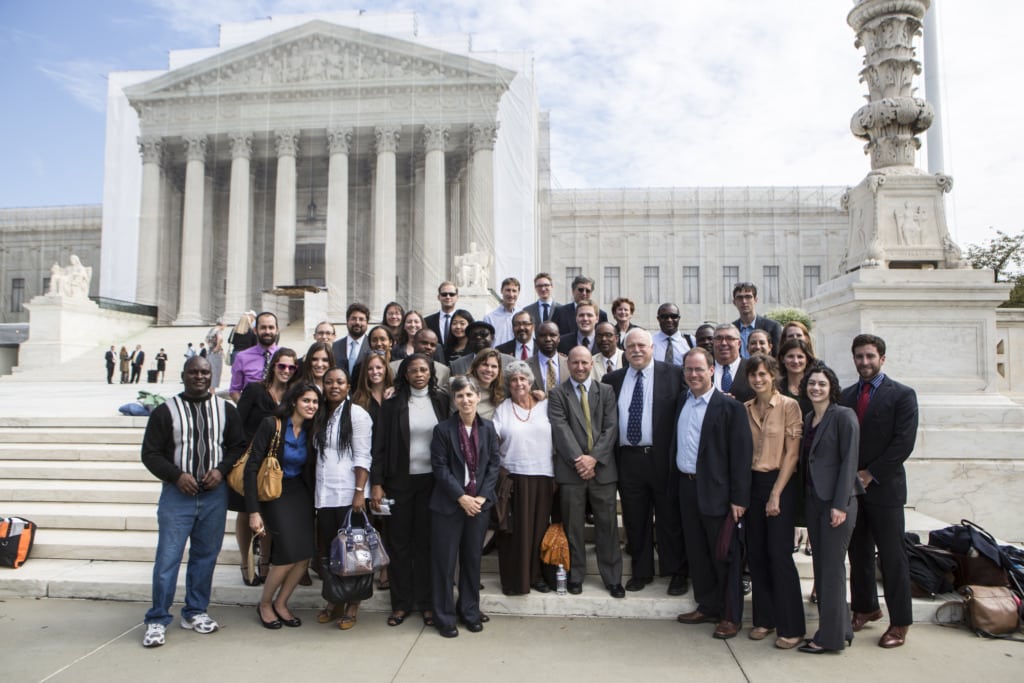
Ten years ago this week, the U.S. Supreme Court handed down its decision in Kiobel v. Royal Dutch Petroleum Co., applying the presumption against extraterritoriality to the implied cause of action for human rights violations under the Alien Tort Statute (ATS). In Kiobel, the Court began to whittle down the cause of action it had…
Continue ReadingBoston Jury Awards $15.5 Million in a Transnational Human Rights Case

Last month we reported on a sensible decision by Judge Allison D. Burroughs of the District of Massachusetts rejecting a defendant’s vague invocations of international comity as a basis for abstention. That decision cleared the way for trial on the plaintiffs’ claims that the defendant, Jean Morose Viliena, targeted them and their families for extrajudicial…
Continue ReadingRejecting Comity-Based Abstention in Human Rights Cases

Defendants in transnational human rights cases may seek dismissal on a great many bases—so many, in fact, that it can be hard to keep them all straight. One growing source of confusion is the argument that a case should be dismissed based on “comity.” The problem is that comity isn’t a single doctrine. But because…
Continue Reading