
Supreme Court Decides Cisco and Cimex
June 23, 2026
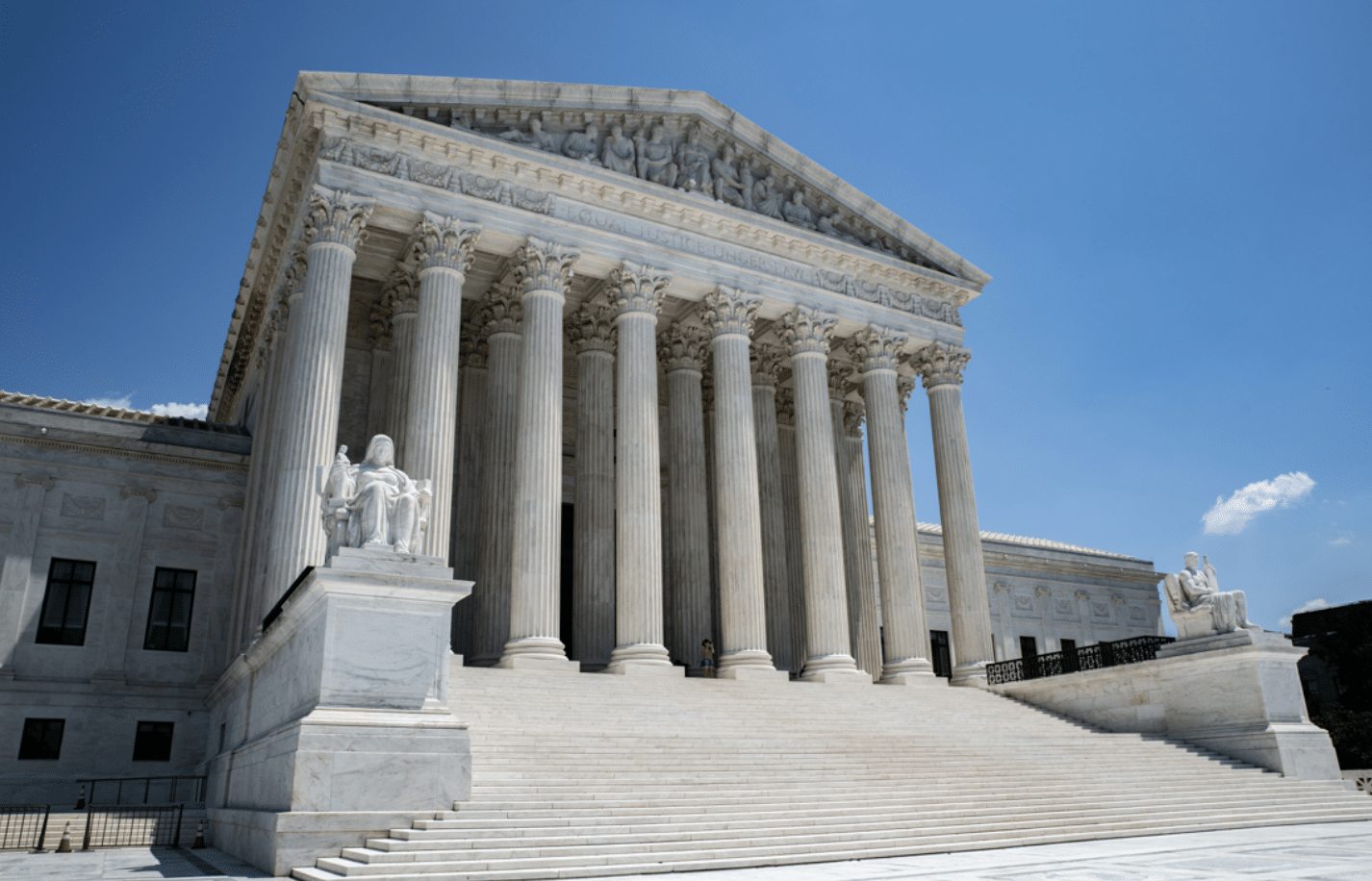
Earlier today, the U.S. Supreme Court handed down decisions in two significant transnational litigation cases.
In Cisco Systems, Inc. v. Doe, the Court held that federal courts may not recognize any new causes of action under the Alien Tort Statute (ATS), “clos[ing] the door” on human rights litigation under the ATS and effectively overruling Sosa v. Alvarez-Machain (2024), which recognized an implied cause of action for well-established human rights norms. The Court also held that aiding-and-abetting claims may not be brought under the Torture Victim Protection Act (TVPA), which creates an express cause of action against any individual who “subjects” another to torture or extrajudicial killing under color of foreign law. Justice Barrett wrote for the majority, joined by Chief Justice Roberts and Justices Thomas, Alito, Gorsuch, and Kavanaugh. Justice Sotomayor dissented on both questions. She was joined by Justices Kagan and Jackson with respect to the ATS but not the TVPA.
In Exxon Mobil Corp. v. Corporación Cimex, S.A., the Court held that the Helms-Burton Act abrogates the sovereign immunity of Cuban agencies and instrumentalities, so that plaintiffs who sue such agencies or instrumentalities under Helms-Burton are not also required to satisfy one of the Foreign Sovereign Immunities Act’s exceptions. Justice Kavanaugh wrote for the majority, joined by Chief Justice Roberts and Justices Thomas, Alito, Gorsuch, and Barrett. Justice Kagan dissented, joined by Justices Sotomayor and Barrett.
For prior TLB coverage of Cisco, see here. For prior coverage of Cimex, see here. TLB will have further analysis of both opinions in the coming days.