
Victims of human rights violations sometimes bring claims in U.S. courts, including claims based on violations outside the United States. The U.S. Supreme Court has recognized a limited cause of action for human rights claims under the Alien Tort Statute. Congress has also enacted statutory causes of action such as the Torture Victim Protection Act (TVPA) and the Trafficking Victim Protection Reauthorization Act (TVPRA). Human rights claims against individuals often raise questions of foreign official immunity.
A Primer on Human Rights Litigation
Modern human rights law developed in response to the events of the World War II, although it has earlier precursors. In 1948, the U.N. General Assembly adopted the Universal Declaration of Human Rights, a non-binding declaration. More than seventy human rights treaties followed, including the Genocide Convention, the International Covenant on Civil and Political Rights,…
Continue ReadingFallout from Cisco in Human Rights Cases, Part II: Cisco on Remand
It is no surprise that the U.S. Supreme Court’s decision in Cisco Systems Inc. v. Doe (2026), which closed the door on modern human rights claims under the Alien Tort Statute (ATS), is impacting cases in the lower courts. Yesterday, I discussed the impact on Al Shimari v. CACI Premier Technology, Inc., where the Fourth…
Continue ReadingFallout from Cisco in Human Rights Cases, Part I: Al Shimari
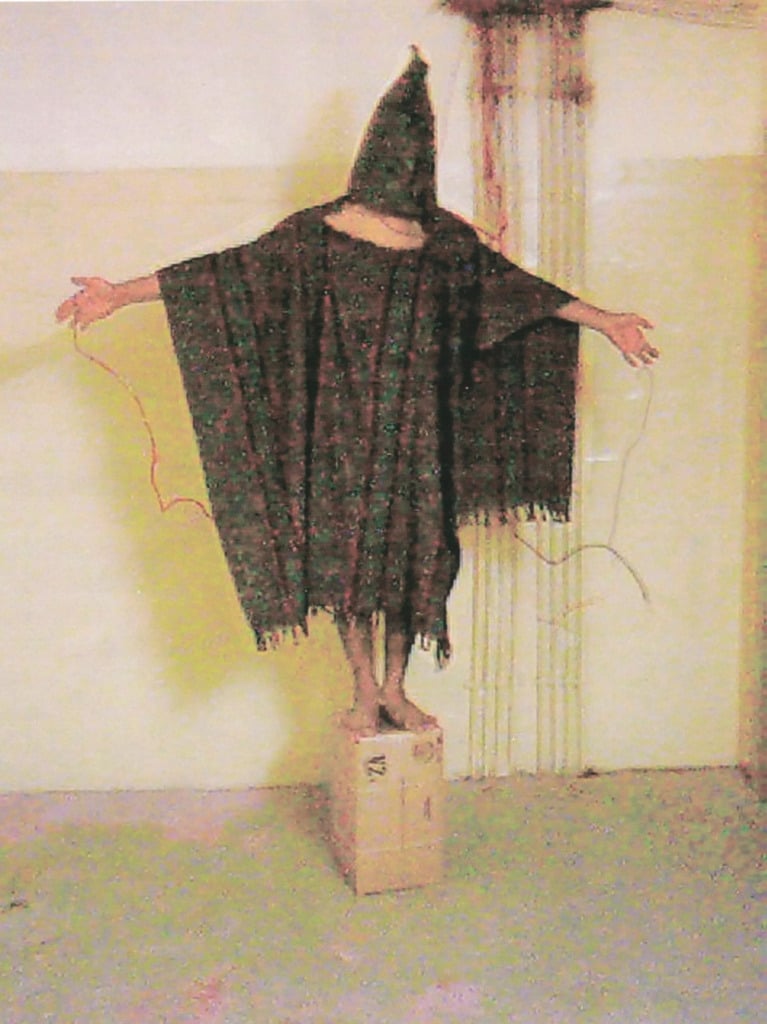
As regular readers know, last June the U.S. Supreme Court closed the door on modern human rights claims under the Alien Tort Statute (ATS), holding in Cisco Systems Inc. v. Doe (2026) that the ATS’s implied cause of action does not cover such claims. In two posts, today and tomorrow, I consider recent lower-court developments…
Continue ReadingFourth Circuit Reaffirms Lack of Official Immunity for Jus Cogens Violations
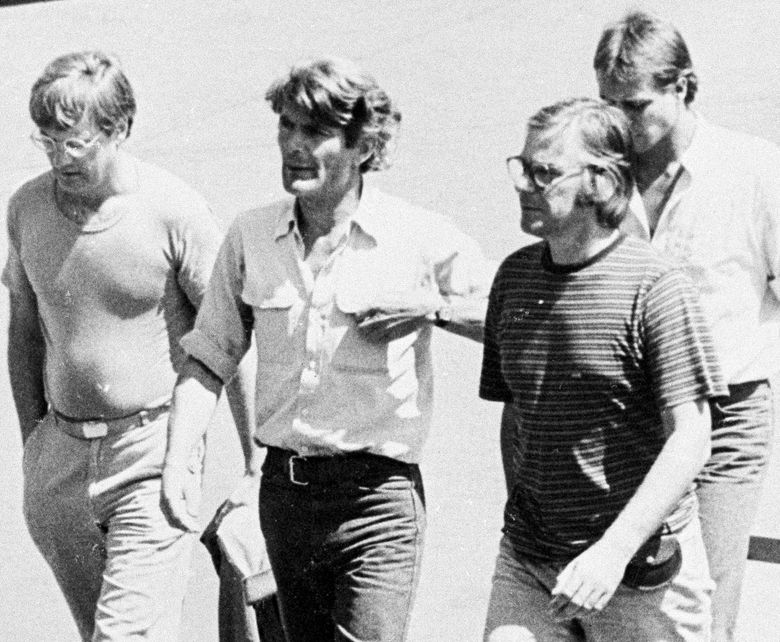
On July 8, 2026, the Fourth Circuit held in Kuiper v. Reyes Mena that a former colonel in the Salvadoran Army is not immune from suit for the extrajudicial killings of Dutch journalists in 1982 during El Salvador’s civil war. Writing for a unanimous panel, Judge Paul V. Neimeyer reaffirmed the circuit’s holding in Yousuf…
Continue Reading