
Value Beyond Price: The Vindication Function of Transnational Litigation

Embedded in a recently decided Supreme Court case about Cuba and the Foreign Sovereign Immunities Act—Exxon Mobil v. Cimex—was a debate about the basic purpose of suing foreign government entities. The Supreme Court majority rejected the view that such suits are fruitless unless the plaintiff is likely to be able to collect a monetary judgment…
Continue ReadingStrange Statutory Interpretation in Foreign Relations Law: The October 2025 Term

The back end of the Supreme Court’s October Term 2025 brought us three decisions in statutory cases dealing with foreign relations law. Havana Docks Corp. v. Royal Caribbean Cruises, Ltd. explored the scope of the Helms Burton Act, a sanctions statute targeting Cuba. Exxon Mobil Corp. v. Corporación Cimex, S.A. (Cuba) held that this statute…
Continue ReadingCIMEX’s Implications for Foreign Official Immunity in TVPA Cases
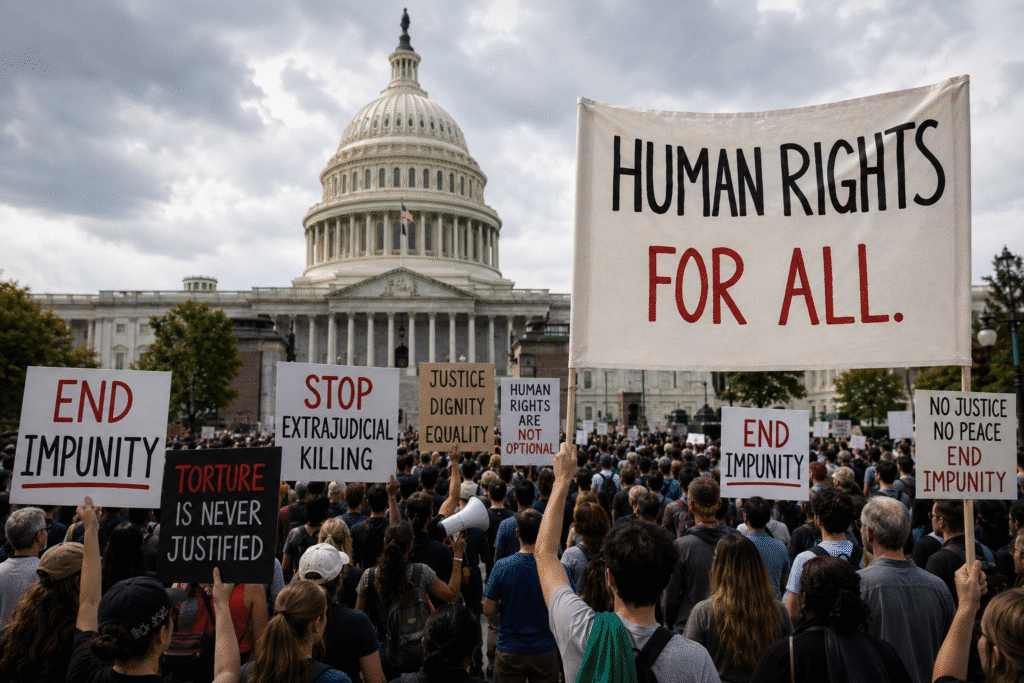
In Exxon Mobil Corp v. Corporación CIMEX, S.A. (Cuba), the Supreme Court held that Congress, by creating a cause of action against agencies and instrumentalities of foreign states, abrogated the immunity from suit that an instrumentality of Cuba would otherwise have enjoyed under the Foreign Sovereign Immunities Act (FSIA). (For analysis, see here.) The Court relied on…
Continue ReadingSupreme Court Decides Cisco and Cimex
Earlier today, the U.S. Supreme Court handed down decisions in two significant transnational litigation cases. In Cisco Systems, Inc. v. Doe, the Court held that federal courts may not recognize any new causes of action under the Alien Tort Statute (ATS), “clos[ing] the door” on human rights litigation under the ATS and effectively overruling Sosa…
Continue ReadingSupreme Court Permits Claims Against Cruise Lines for Using Cuban Docks

On May 21, 2026, the U.S. Supreme Court held that Havana Docks, a U.S. company, may sue U.S. cruise lines under the Helms-Burton Act for using docks confiscated by the Cuban government in 1960. Title III of the Act allows U.S. nationals with claims to property expropriated by Cuba to sue any person who “traffics…
Continue ReadingNew Legislation Aids Claims by Victims of Nazi Expropriations

Congress has passed legislation making it easier for plaintiffs to recover Nazi-looted art and other expropriated property. If the president signs the Holocaust Expropriated Art Recovery (“Hear”) Act of 2025 into law, defendants will have fewer procedural protections from such claims, including a more limited immunity defense for foreign sovereigns. The legislation illustrates how Congress…
Continue ReadingLegislative Control of Personal Jurisdiction—An Opening Door
As every first-year law student learns in Civil Procedure, the Supreme Court constitutionalized the law of personal jurisdiction in Pennoyer v. Neff (1878), holding that the Due Process Clause of the Fourteenth Amendment limits the jurisdiction that state courts may exercise. Legislatures still have roles to play. States enact long-arm statutes to reach non-resident defendants,…
Continue ReadingU.S. Courts “International Law” Year in Review Panel Discussion, December 9
The Dispute Resolution and International Law in Domestic Courts Interest Groups of the American Society of International Law, along with the Transnational Litigation Blog, cordially invite you to a hybrid panel discussion on recent key decisions in U.S. courts and legally driven developments in executive branch practice that have significant implications for U.S. foreign relations…
Continue ReadingTransnational Litigation at the Supreme Court, October Term 2025
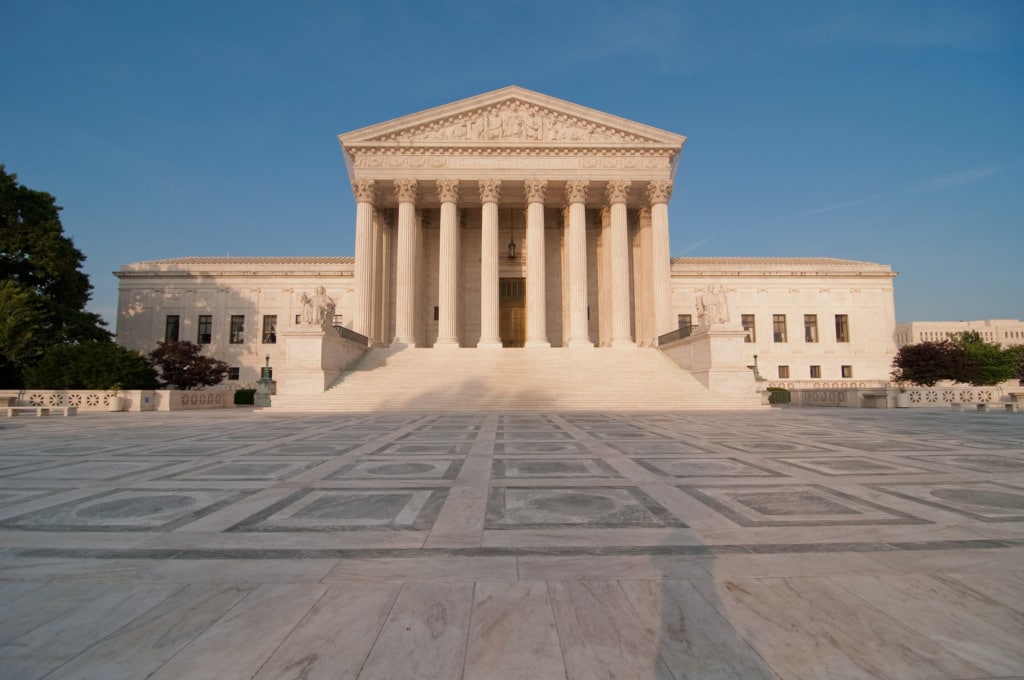
Today is the first day of the Supreme Court’s October Term. This post briefly discusses transnational litigation cases in which the Court has already granted cert, as well as others that are in the pipeline and could be decided this Term. Cases in which the Court Has Granted Cert So far, the Supreme Court has…
Continue ReadingFuld’s Implications for the FSIA (and Other Federal Statutes)
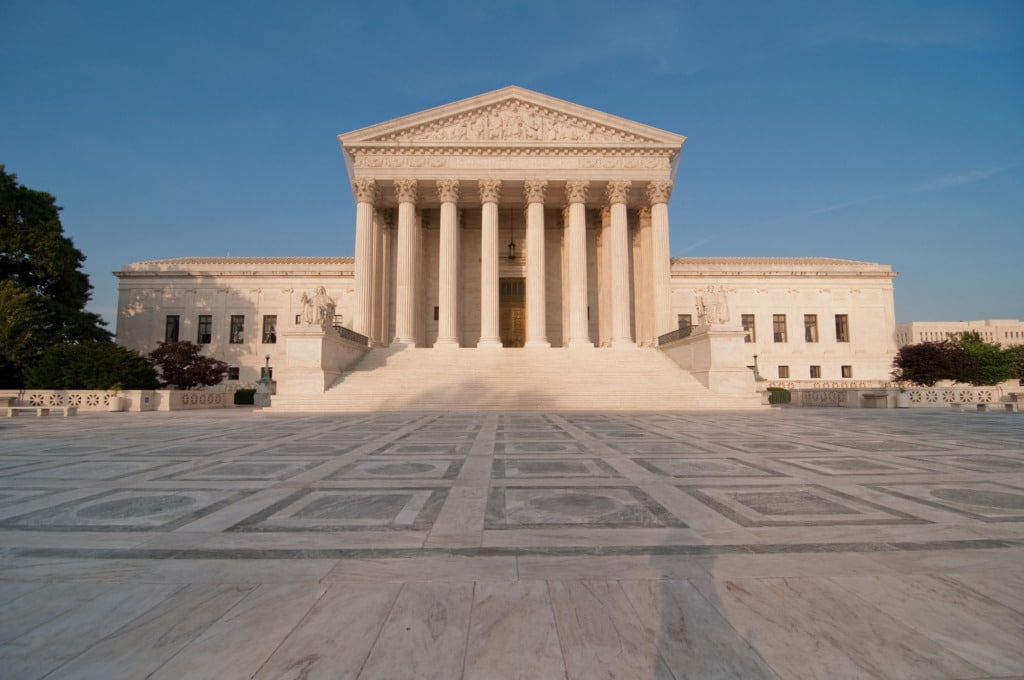
In Fuld v. PLO, the U.S. Supreme Court held that “the Fifth Amendment does not impose the same jurisdictional limitations as the Fourteenth.” This means that Congress may authorize federal courts to exercise personal jurisdiction over defendants that state courts may not constitutionally reach. In Fuld, the Court upheld the constitutionality of the Promoting Security…
Continue Reading- « Previous
- 1
- 2
- 3
- 4
- Next »